
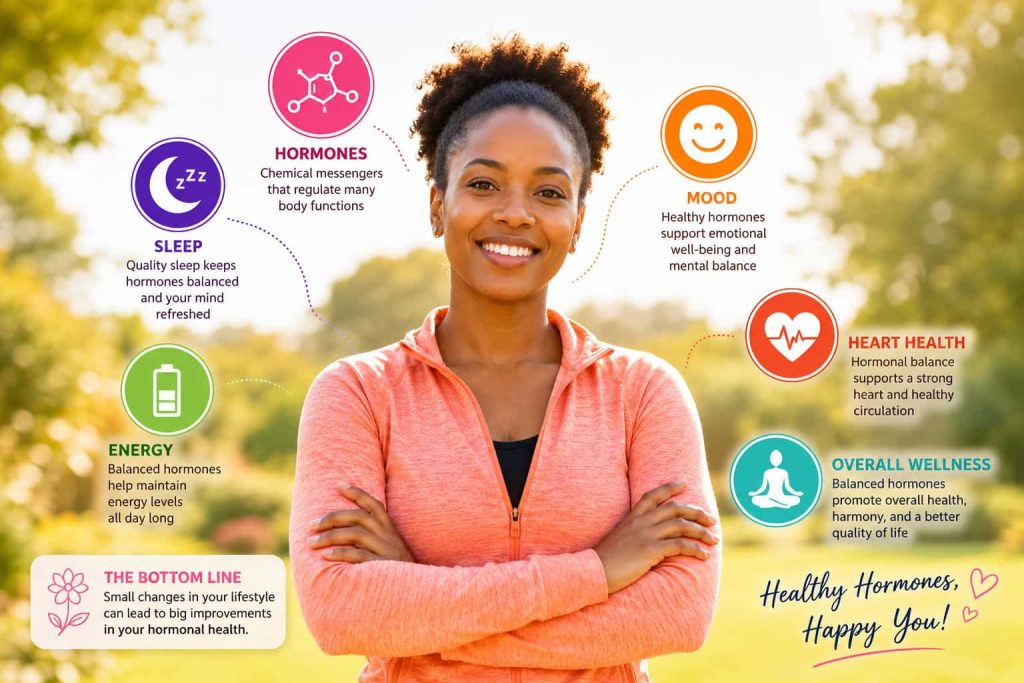
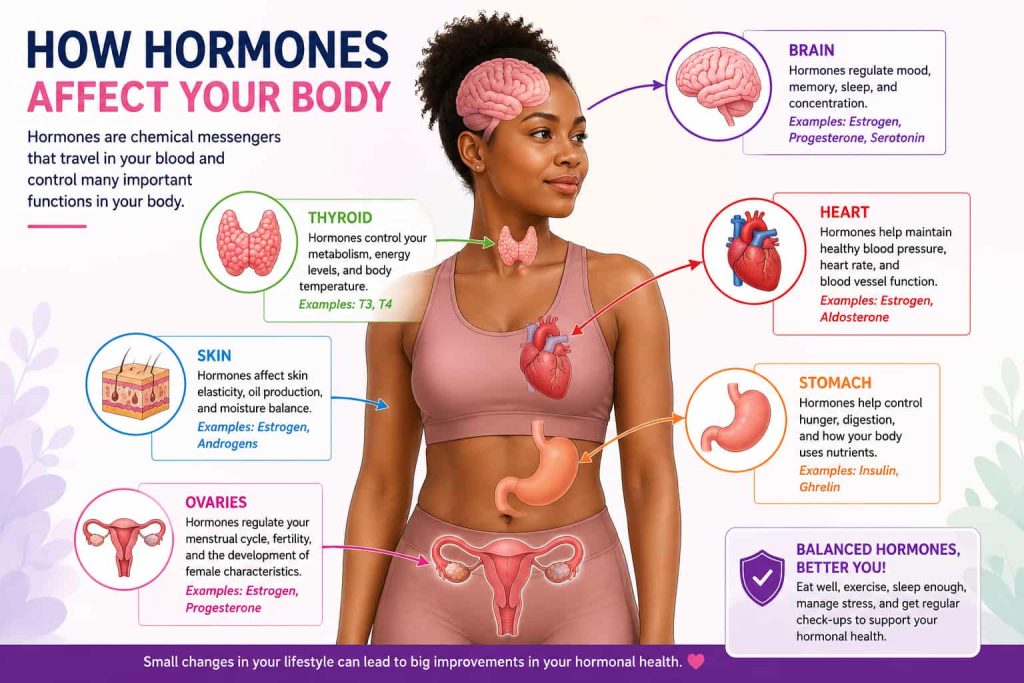
Hormones are tiny chemical messengers that travel through your bloodstream. They help control many important functions in your body, including your menstrual cycle, sleep, mood, energy, weight, skin, and even your ability to become pregnant.
When hormones are balanced, your body works smoothly. But when one or more hormones become too high or too low, your body may begin to send warning signs. Some of these signs are easy to ignore because they develop slowly. Others may seem like everyday problems caused by stress or lack of sleep.
Learning to recognize these early signs can help you seek medical advice sooner and improve your overall health.
What Is Hormonal Imbalance?
Hormonal imbalance happens when your body makes too much or too little of certain hormones.
Several glands work together to produce hormones. These include the thyroid gland, ovaries, adrenal glands, pancreas, and pituitary gland. Each gland has a different job, but they all work like members of the same team.
If one gland is not working properly, it can affect many other parts of the body.
Hormonal changes happen naturally during different stages of life, such as:
- Puberty
- Pregnancy
- Breastfeeding
- Perimenopause
- Menopause
However, hormonal imbalance can also happen because of:
- Stress
- Poor diet
- Lack of sleep
- Certain medications
- Thyroid disorders
- Polycystic ovary syndrome (PCOS)
- Diabetes
- Being overweight
- Excessive exercise
Many hormonal conditions can be treated successfully once they are identified.
Why Hormones Matter
Hormones help control almost every system in your body. They influence:
- Growth and development
- Body temperature
- Hunger and digestion
- Blood sugar levels
- Reproductive health
- Mood and emotions
- Energy production
- Sleep patterns
- Skin and hair health
When hormone levels change, your body often lets you know through physical and emotional symptoms.
1. Irregular Menstrual Periods
One of the earliest signs of hormonal imbalance is a change in your monthly period.
Your menstrual cycle may become:
- Shorter than usual
- Longer than usual
- Very heavy
- Very light
- Unpredictable
- Missed for several months
While an occasional irregular period may not be a cause for concern, frequent changes should not be ignored.
Hormonal conditions such as PCOS, thyroid disease, and early menopause can affect your menstrual cycle.
If your periods suddenly become very painful, extremely heavy, or stop completely when you are not pregnant, it is important to speak with a healthcare professional.
2. Constant Fatigue
Everyone feels tired once in a while. But if you wake up feeling exhausted even after a full night’s sleep, hormones may be playing a role.
Low thyroid hormone levels can slow down your body’s metabolism, making you feel tired throughout the day.
High stress hormone levels may also leave you feeling mentally and physically drained.
Hormonal fatigue often comes with:
- Low energy
- Poor concentration
- Lack of motivation
- Feeling weak
Getting enough sleep is important, but if tiredness continues for weeks, it should be checked by a healthcare provider.
3. Unexplained Weight Gain or Weight Loss
Have you noticed your weight changing even though your eating habits have stayed the same?
Hormones help regulate how your body stores fat and burns calories.
When these hormones become unbalanced, you may:
- Gain weight easily
- Lose weight unexpectedly
- Find it difficult to lose extra weight despite exercising
Conditions involving the thyroid, insulin, or cortisol hormones are common reasons for unexpected weight changes.
Instead of blaming yourself, remember that your body may be signaling that something needs attention.
A healthy diet and regular physical activity are important, but persistent unexplained weight changes deserve medical evaluation.
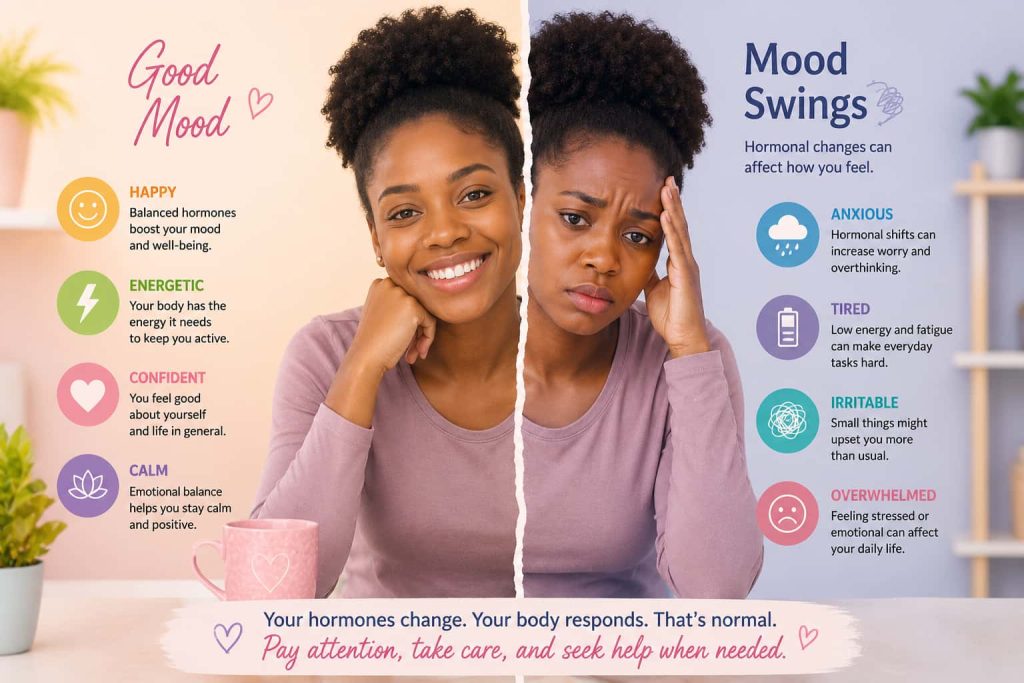
4. Mood Swings and Irritability
Have you ever felt happy one moment and upset the next without knowing why?
Hormones affect chemicals in your brain that control emotions.
When hormone levels change, some women may experience:
- Mood swings
- Irritability
- Anxiety
- Sadness
- Feeling overwhelmed
- Difficulty handling stress
These emotional changes often become more noticeable before menstruation, after childbirth, or during menopause.
Although occasional mood changes are normal, severe or long-lasting emotional symptoms should not be ignored.
Talking to a healthcare professional can help identify whether hormones are contributing to these changes.
5. Acne or Sudden Skin Changes
Your skin often reflects what is happening inside your body.
Hormonal changes can increase oil production, causing pores to become blocked. This may lead to acne, especially around the:
- Chin
- Jawline
- Neck
- Lower cheeks
Some women also notice:
- Dry skin
- Oily skin
- Dark patches
- Increased skin sensitivity
Adult acne that suddenly appears or becomes worse may be linked to hormonal changes rather than poor hygiene.
Taking good care of your skin is important, but treating the underlying hormonal problem may also be necessary.
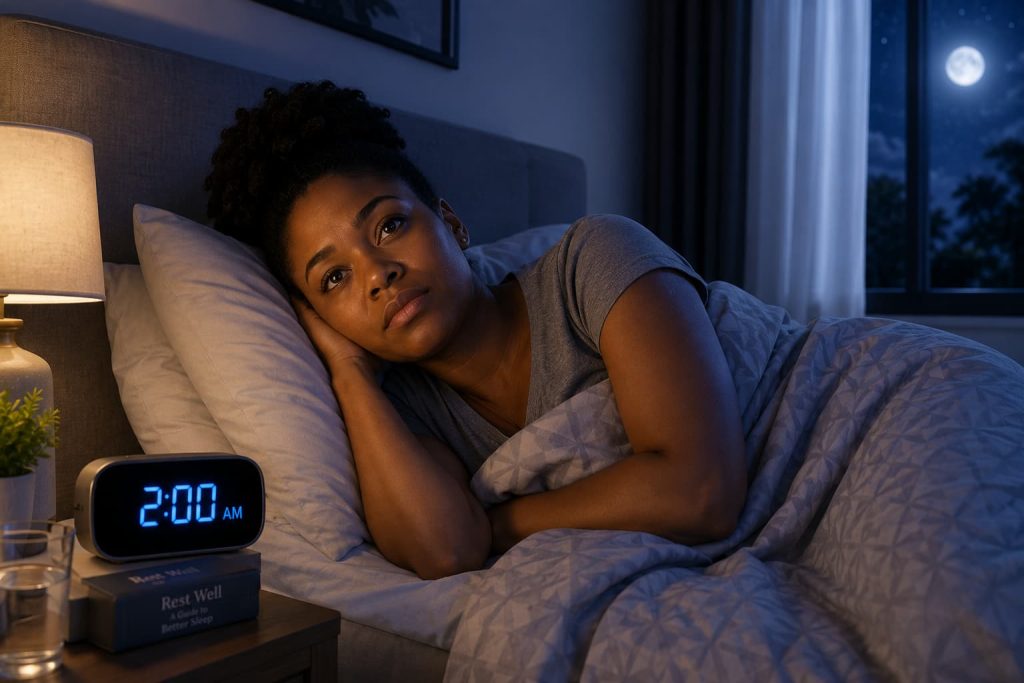
6. Trouble Sleeping
A good night’s sleep helps your body repair itself and prepare for the next day. But when your hormones are out of balance, getting enough rest can become difficult.
Some women find it hard to fall asleep, while others wake up several times during the night or wake up feeling tired even after sleeping for many hours.
Hormones such as estrogen, progesterone, melatonin, and cortisol all play important roles in regulating sleep. If these hormones are not balanced, your sleep pattern may change.
Signs of hormone-related sleep problems include:
- Difficulty falling asleep
- Waking up often during the night
- Night sweats
- Feeling tired after sleeping
- Sleepiness during the day
Improving your bedtime routine, reducing caffeine in the evening, and keeping a regular sleep schedule may help. However, if sleep problems continue for several weeks, speak with a healthcare professional.
7. Hair Loss or Excess Hair Growth
Finding a few strands of hair on your brush is normal. However, losing large amounts of hair or noticing hair becoming thinner over time may be a sign of hormonal imbalance.
Some women also notice unwanted hair growing on the face, chest, stomach, or chin. This can happen when male hormones, called androgens, become higher than normal.
Possible signs include:
- Hair thinning on the scalp
- Increased hair shedding
- Bald patches
- Thick facial hair
- Extra body hair
Conditions such as polycystic ovary syndrome (PCOS) commonly cause these changes.
Healthy hair starts from within. Eating a balanced diet and treating the underlying hormonal condition can often improve hair growth over time.
8. Low Sex Drive
It is normal for sexual desire to change from time to time. Stress, tiredness, and relationship issues can all affect it.
However, if you notice a long-lasting decrease in your interest in sex, hormones may be involved.
Low estrogen or testosterone levels can reduce sexual desire. Some women may also experience vaginal dryness, making intimacy uncomfortable.
Remember that changes in sexual health are common and nothing to be embarrassed about. A healthcare provider can help identify the cause and recommend appropriate treatment.

9. Frequent Headaches
Many women notice headaches before or during their menstrual periods.
This happens because hormone levels naturally rise and fall throughout the month. When these changes become more noticeable, headaches or migraines may occur more often.
Hormonal headaches may:
- Happen around your period
- Last for several hours
- Return every month
- Become more severe than usual
Keeping a headache diary can help you identify patterns and share useful information with your healthcare provider.
Drink enough water, eat regular meals, get enough sleep, and avoid skipping meals, as these habits may help reduce headaches.
10. Difficulty Becoming Pregnant
Hormones play a major role in ovulation, which is the release of an egg from the ovary each month.
If hormone levels are not balanced, ovulation may not happen regularly, making it more difficult to become pregnant.
Hormonal imbalance is only one possible cause of fertility problems. Other medical conditions may also play a role.
You should consider speaking with a healthcare provider if:
- Your periods are very irregular.
- You have been trying to become pregnant without success.
- You have severe menstrual pain.
- You have repeated miscarriages.
Early medical evaluation can help identify the cause and improve treatment options.
When Should You See a Doctor?
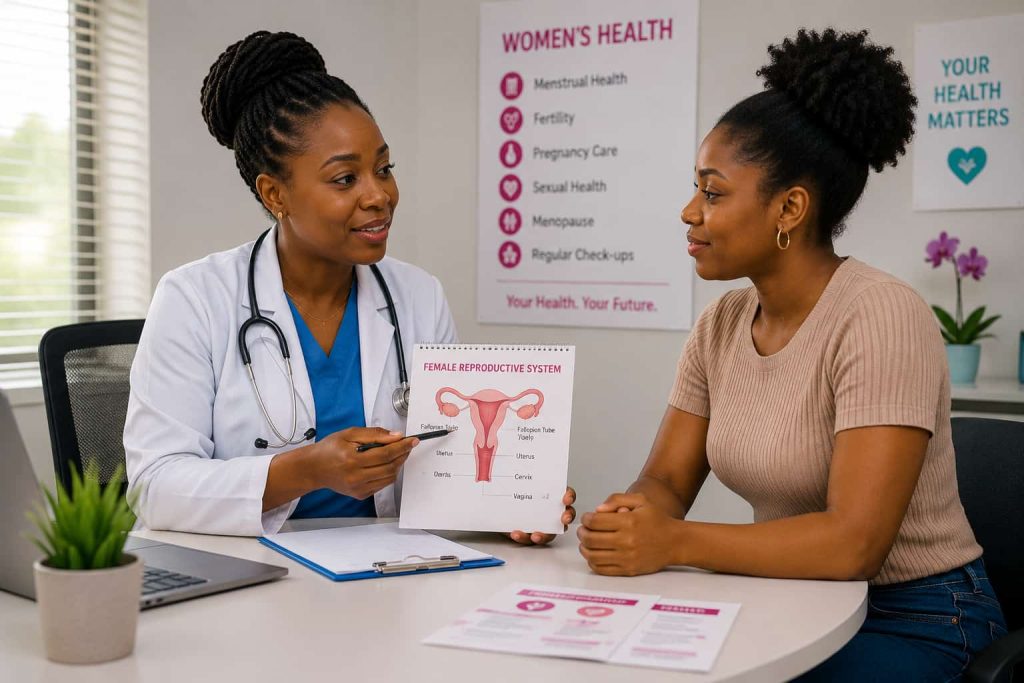
Many of the symptoms discussed in this article can have causes other than hormonal imbalance. That is why it is important not to diagnose yourself.
You should seek medical advice if you experience:
- Missed periods without pregnancy
- Heavy menstrual bleeding
- Severe acne that does not improve
- Unexplained weight changes
- Ongoing fatigue
- Hair loss that becomes worse
- Persistent sleep problems
- Difficulty becoming pregnant
- Severe mood changes or depression
A healthcare provider may recommend blood tests, a physical examination, or other tests to determine whether your hormones are balanced.
Early diagnosis often makes treatment easier and helps prevent complications.
Simple Ways to Support Healthy Hormones
While some hormonal conditions require medical treatment, healthy daily habits can support your overall hormonal health.
Here are some simple tips:
- Eat a balanced diet rich in fruits, vegetables, whole grains, and lean protein.
- Exercise regularly.
- Get 7–9 hours of sleep each night.
- Drink enough water throughout the day.
- Manage stress through relaxation, prayer, meditation, or deep breathing.
- Maintain a healthy body weight.
- Avoid smoking.
- Limit alcohol intake.
- Keep regular medical checkups.
- Follow your healthcare provider’s advice if you have a medical condition.
Small healthy choices made every day can have a positive impact on your overall well-being.

Frequently Asked Questions
Can stress cause hormonal imbalance?
Yes. Long-term stress can affect hormones such as cortisol, which may influence sleep, mood, appetite, and menstrual cycles.
Can hormonal imbalance go away on its own?
Sometimes temporary hormonal changes return to normal without treatment. However, persistent symptoms should be evaluated by a healthcare professional.
Can diet affect hormones?
Yes. Eating a balanced diet helps support overall health, while poor eating habits may contribute to certain hormone-related problems.
Does hormonal imbalance only affect older women?
No. Hormonal imbalance can affect girls during puberty, women of childbearing age, and older women during menopause.
Key Takeaways
Hormones control many important functions in the body. When they become unbalanced, your body often gives early warning signs.
The 10 early signs include:
- Irregular menstrual periods
- Constant fatigue
- Unexplained weight gain or weight loss
- Mood swings and irritability
- Acne or sudden skin changes
- Trouble sleeping
- Hair loss or excess hair growth
- Low sex drive
- Frequent headaches
- Difficulty becoming pregnant
Recognizing these symptoms early and seeking medical advice when necessary can help protect your health and improve your quality of life
Conclusion
Hormonal imbalance is more common than many women realize. The good news is that your body often gives you clues before a serious problem develops.
Pay attention to changes in your menstrual cycle, energy, mood, skin, sleep, and overall health. These symptoms do not always mean you have a hormonal disorder, but they should not be ignored if they continue or become worse.
Living a healthy lifestyle, attending regular medical checkups, and seeking professional advice when symptoms appear can help you maintain healthy hormones and enjoy a happier, healthier life.
Disclaimer: This article is for educational purposes only and should not replace professional medical advice, diagnosis, or treatment. If you have persistent or concerning symptoms, consult a qualified healthcare professional.