Menstrual cramps are a common part of life for many girls and women. Some people feel only mild discomfort, while others experience strong pain that makes it difficult to go to school, work, or enjoy everyday activities. The good news is that many natural methods can help reduce menstrual cramps and make your period more comfortable.
This guide explains why menstrual cramps happen, what makes them worse, and the best natural ways to relieve them. The information is easy to understand and can help you build healthy habits that support your body every month.
Understanding Menstrual Cramps
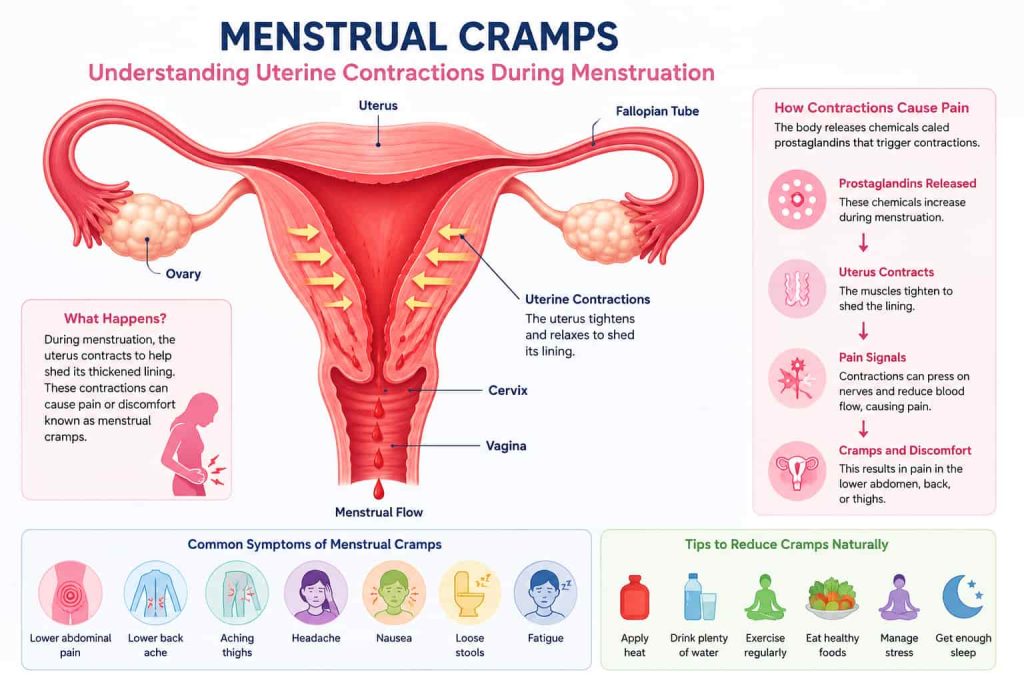
Menstrual cramps are pains that happen in the lower belly before or during a menstrual period. They happen because the uterus (womb) tightens and relaxes to remove its lining. These tightening movements are called contractions.
Your body makes natural chemicals called prostaglandins. These chemicals help the uterus contract. If your body makes too many prostaglandins, the contractions become stronger, causing more pain.
Most cramps last between one and three days, although some people may feel discomfort for a little longer.
Common Symptoms
- Pain in the lower abdomen
- Pain that spreads to the lower back
- Aching thighs
- Mild headache
- Feeling tired
- Nausea
- Loose stools
These symptoms are usually normal, but severe pain should always be checked by a healthcare provider.
Why Some People Have Worse Menstrual Cramps
Not everyone experiences the same level of pain. Some factors can make menstrual cramps stronger.
These include:
- High levels of prostaglandins
- Stress and anxiety
- Lack of exercise
- Poor sleeping habits
- Smoking
- Heavy menstrual flow
- Certain medical conditions like endometriosis or fibroids
Understanding these causes helps you know why taking care of your overall health can make a big difference.
1. Use a Warm Compress
Heat is one of the fastest natural ways to ease menstrual cramps.
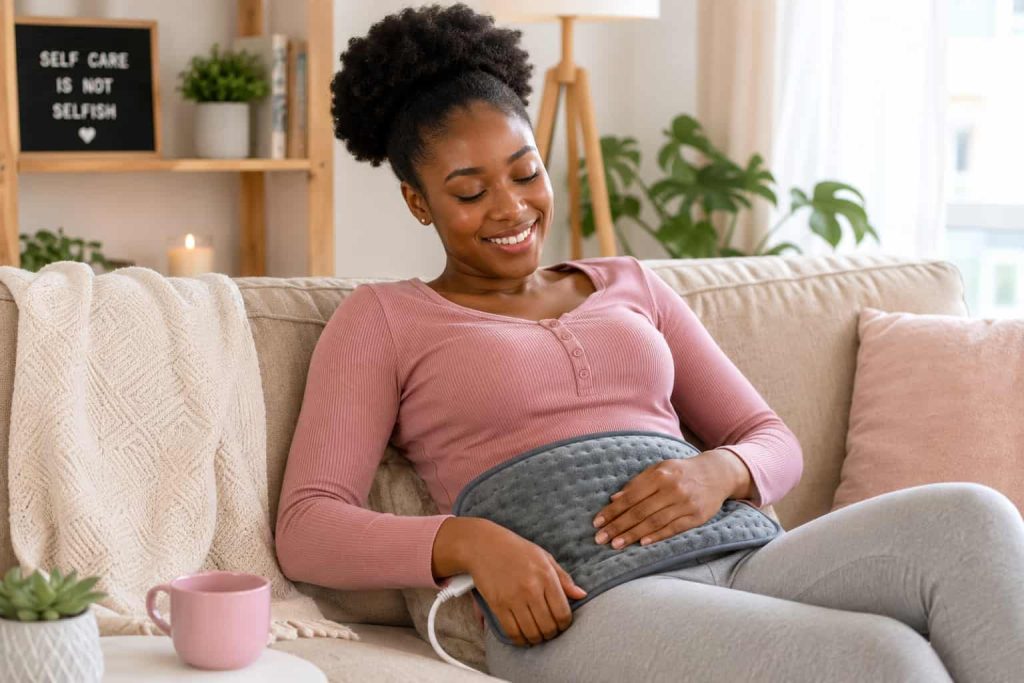
Place a heating pad, warm towel, or hot water bottle on your lower abdomen for about 15 to 20 minutes.
Heat relaxes the muscles of the uterus, improves blood flow, and reduces pain naturally.
If you do not have a heating pad, you can soak a towel in warm water, squeeze out the extra water, and place it on your belly.
2. Drink Plenty of Water
Many people forget that drinking enough water can help during menstruation.
Staying hydrated reduces bloating and helps your body work properly.
Warm water or herbal teas may provide even more comfort because warmth relaxes muscles.
Try to drink water throughout the day instead of waiting until you feel thirsty.
3. Eat Healthy Foods
Food can affect how your body feels during your period.
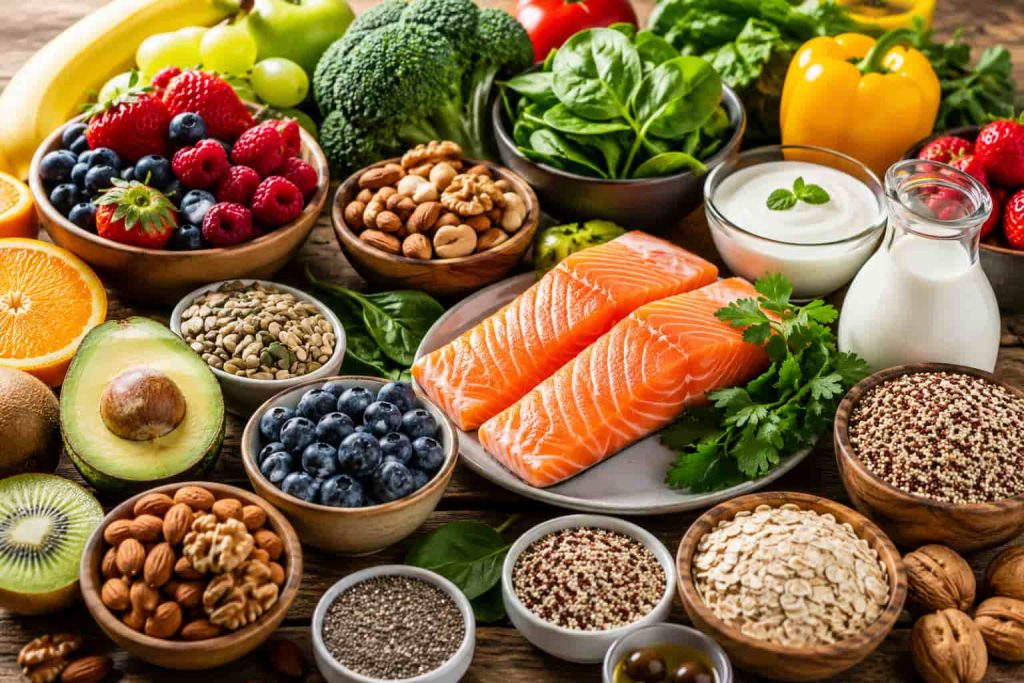
Choose foods that help reduce inflammation and give your body important nutrients.
Good choices include:
- Fresh fruits
- Vegetables
- Whole grains
- Beans
- Fish
- Nuts
- Seeds
- Yogurt
Foods rich in magnesium, calcium, and omega-3 fats may help reduce muscle cramps.
Try to eat balanced meals instead of skipping meals during your period.
4. Reduce Sugary and Processed Foods
Too much sugar, salty snacks, and highly processed foods may increase bloating and make you feel uncomfortable.
Try to limit:
- Soft drinks
- Candy
- Cakes
- Chips
- Fast food
Instead, choose healthier snacks like bananas, oranges, apples, almonds, or yogurt.
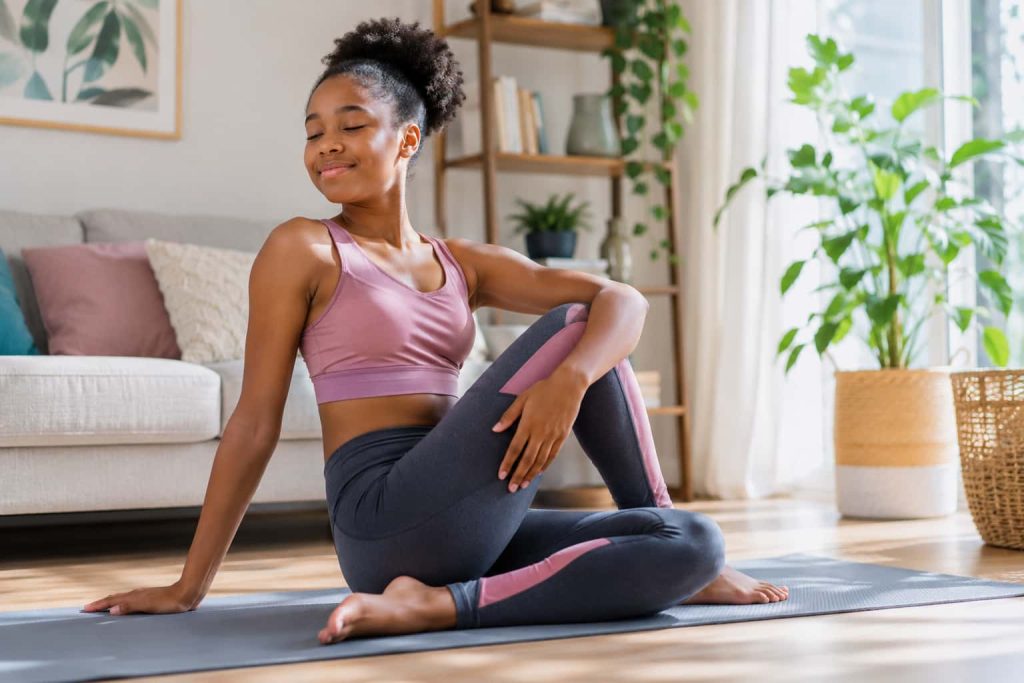
5. Gentle Exercise Can Help
Many people think they should avoid exercise during their period.
In fact, light exercise often helps reduce cramps.
Exercise encourages your body to release natural pain-relieving chemicals called endorphins.
Good activities include:
- Walking
- Gentle stretching
- Light dancing
- Cycling
- Swimming
- Yoga
Even 20 to 30 minutes of movement can help you feel better.
6. Get Enough Sleep
Sleep gives your body time to recover.
When you do not sleep well, your body may become more sensitive to pain.
Aim for about 8 to 9 hours of sleep each night if possible.
Good sleep habits include:
- Going to bed at the same time every night
- Turning off screens before bedtime
- Keeping your bedroom quiet and cool
A well-rested body handles menstrual discomfort much better.
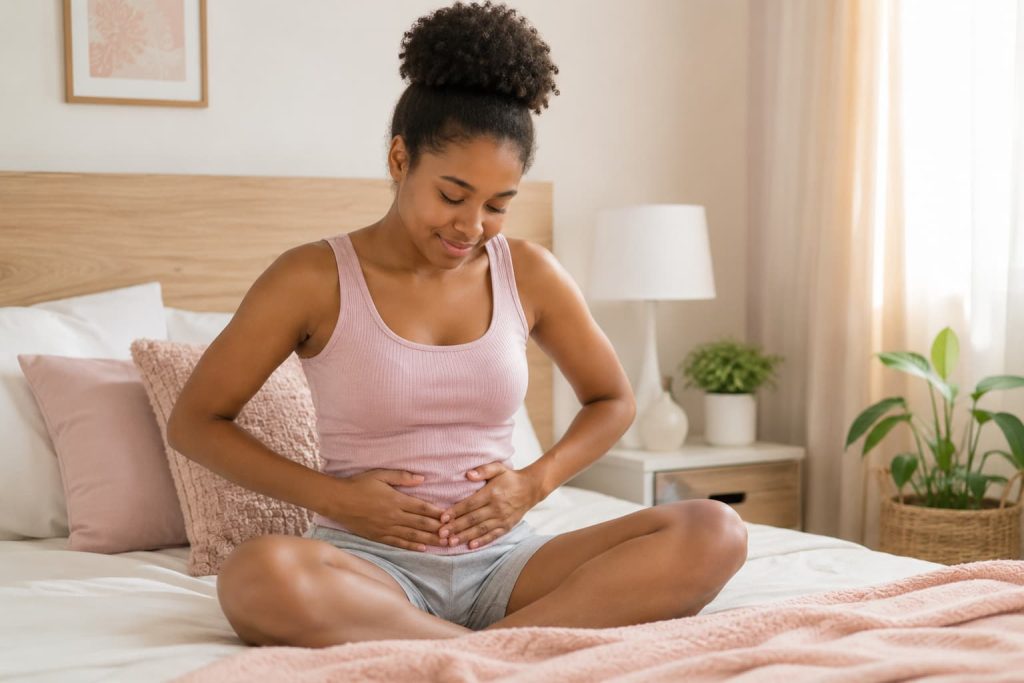
7. Try Gentle Belly Massage
A gentle massage around the lower abdomen may help relax tight muscles.
Use clean hands and massage in slow circular movements.
You can also use a small amount of natural massage oil if your skin is not sensitive.
Massage helps improve blood flow and may reduce muscle tightness.
8. Drink Herbal Teas
Some herbal teas may help people feel more relaxed during their period.
Popular choices include:
- Ginger tea
- Chamomile tea
- Peppermint tea
These warm drinks may help reduce muscle tension and support relaxation.
If you have allergies, are pregnant, or have a medical condition, ask a healthcare professional before using herbal products.
9. Manage Stress
Stress can make menstrual cramps feel worse.
When you feel stressed, your muscles become tighter, making pain more noticeable.
Simple ways to reduce stress include:
- Deep breathing
- Listening to soft music
- Reading a book
- Talking to a trusted friend
- Spending time outdoors
- Prayer or meditation
Even a few quiet minutes each day can help you feel calmer.
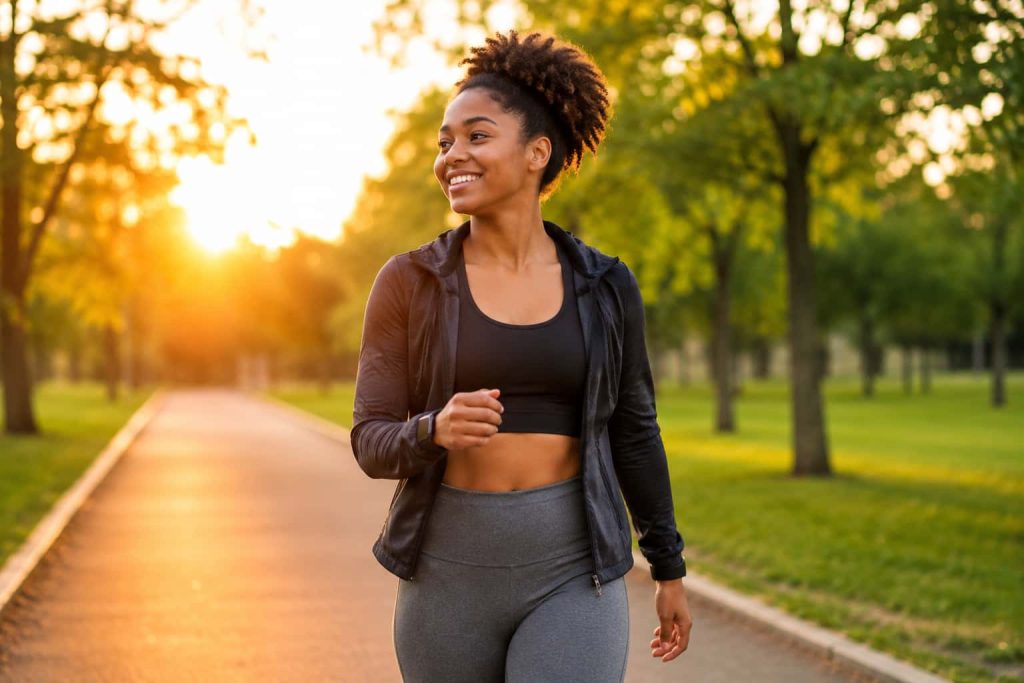
10. Stay Active Throughout the Month
Healthy habits practiced every day—not just during your period—can make future periods more comfortable.
Regular physical activity helps improve blood circulation and supports hormone balance.
Try to stay active most days of the week.
Your future self may thank you.
Helpful Vitamins and Minerals
Certain nutrients support healthy muscles and may help reduce menstrual discomfort.
These include:
Magnesium
Magnesium helps muscles relax and supports healthy nerve function.
Good sources include:
- Spinach
- Pumpkin seeds
- Almonds
- Beans
Calcium
Calcium supports healthy muscle movement.
Good sources include:
- Milk
- Yogurt
- Cheese
- Leafy vegetables
Vitamin D
Vitamin D helps your body absorb calcium and supports overall health.
You can get Vitamin D from:
- Safe sunlight exposure
- Eggs
- Fortified milk
- Fatty fish
It is best to get nutrients from a balanced diet. If you are thinking about taking supplements, speak with a healthcare professional first.
Healthy Daily Habits That May Reduce Future Cramps
Small daily habits can make a big difference over time.
Try to:
- Drink enough water every day.
- Eat balanced meals.
- Stay physically active.
- Sleep well each night.
- Reduce stress.
- Avoid smoking.
- Limit alcohol if you are old enough to drink.
- Keep a menstrual calendar to track your cycle and symptoms.
Keeping track of your periods can help you notice patterns and prepare for days when cramps usually begin.
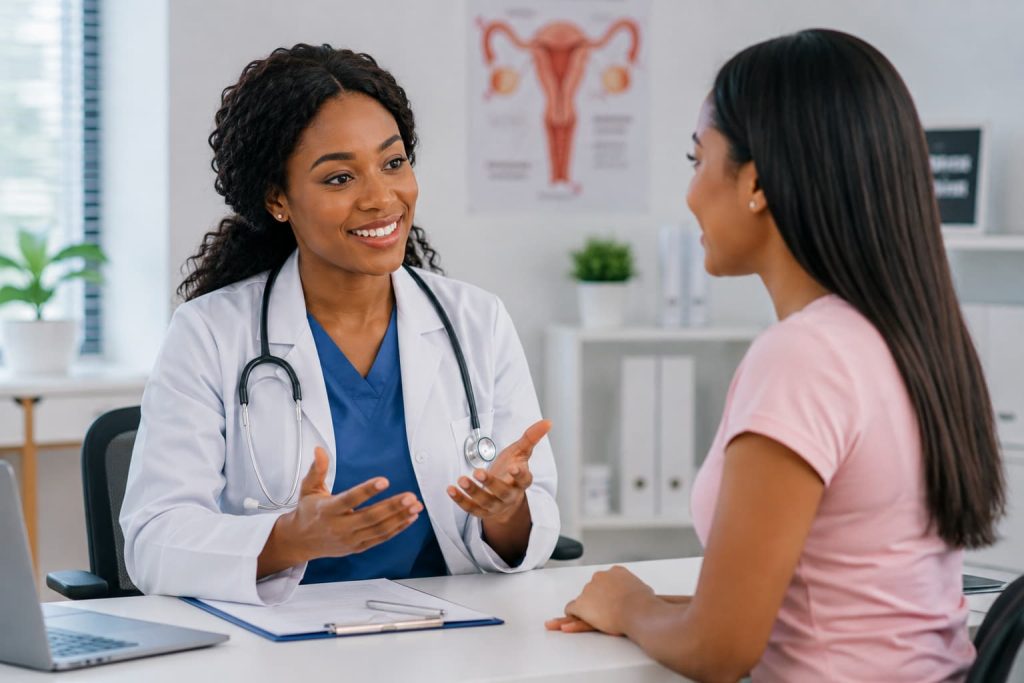
When Should You See a Doctor?
While mild to moderate cramps are common, severe pain is not something you should ignore.
Speak with a healthcare provider if:
- Your pain is so severe that you cannot attend school or work.
- Pain medicine and natural methods do not help.
- Your periods suddenly become much more painful.
- You have very heavy bleeding.
- You have fever, unusual vaginal discharge, or severe pain between periods.
- Your cramps continue even after your period ends.
These symptoms may be caused by another medical condition that needs proper treatment.
Common Myths About Menstrual Cramps
Many myths about periods are not true.
Myth 1: Period pain is always normal.
Not always. Mild cramps are common, but severe pain should be checked by a doctor.
Myth 2: Exercise makes cramps worse.
False. Gentle exercise often helps reduce pain.
Myth 3: You should not shower during your period.
False. Bathing helps you stay clean and may even help you feel more relaxed.
Myth 4: Every woman experiences the same pain.
False. Everyone’s body is different. Some people have very mild cramps, while others experience stronger discomfort.
Learning the facts helps you take better care of your health.
Frequently Asked Questions
How long do menstrual cramps usually last?
Most cramps last one to three days, with the strongest pain often occurring during the first one or two days of the period.
Can drinking water really help?
Yes. Drinking enough water can reduce bloating and support your body’s normal functions, which may help you feel more comfortable.
Is it okay to exercise during my period?
Yes. Light activities such as walking, stretching, or yoga are safe for most people and may help reduce cramps.
Can stress make cramps worse?
Yes. Stress can increase muscle tension and make pain feel more intense, so managing stress is an important part of relief.
Final Thoughts
Menstrual cramps are a common part of many girls’ and women’s lives, but they do not have to control your day. Simple natural methods like using heat, staying hydrated, eating nutritious foods, exercising gently, getting enough sleep, and managing stress can make a real difference. These healthy habits support your body and may help reduce discomfort over time.
Remember that every person is different. What works well for one person may not work the same for another. Pay attention to your body, keep track of your symptoms, and don’t hesitate to seek medical advice if your cramps are severe or unusual. With the right care and healthy daily habits, you can make your periods more comfortable and continue enjoying your everyday activities.